Smartphones Launching Next Week: What You Should Know
The smartphone market is rarely quiet, but next week is shaping up to be a defining moment for 2026. We are seeing a clear shift in priorities: batteries are getting massive to keep up with our always-on lifestyles, and cameras are evolving from simple point-and-shoot sensors into complex, professional-grade systems.
From March 30 to April 2, major players like Vivo, Realme, Oppo, and Redmi will unveil their latest handsets. This isn't just a routine refresh; these devices introduce tangible innovations like external lens mounts, built-in cooling fans, and creative design solutions for age-old problems like taking group selfies.
Here is an in-depth breakdown of the six smartphones launching next week, who they are for, and whether they deserve your money.
Vivo X300 Ultra
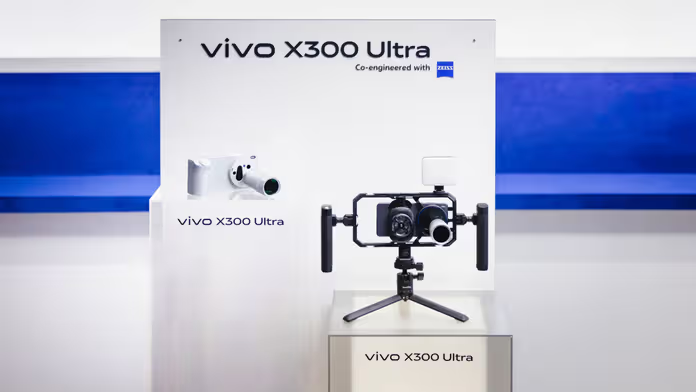
The Vivo X300 Ultra is the headline act of the week. It is not merely a specifications bump; it represents a bold attempt to bridge the gap between smartphones and dedicated professional cameras. While we have seen "camera phones" before, Vivo is taking a different route by embracing an external lens ecosystem.
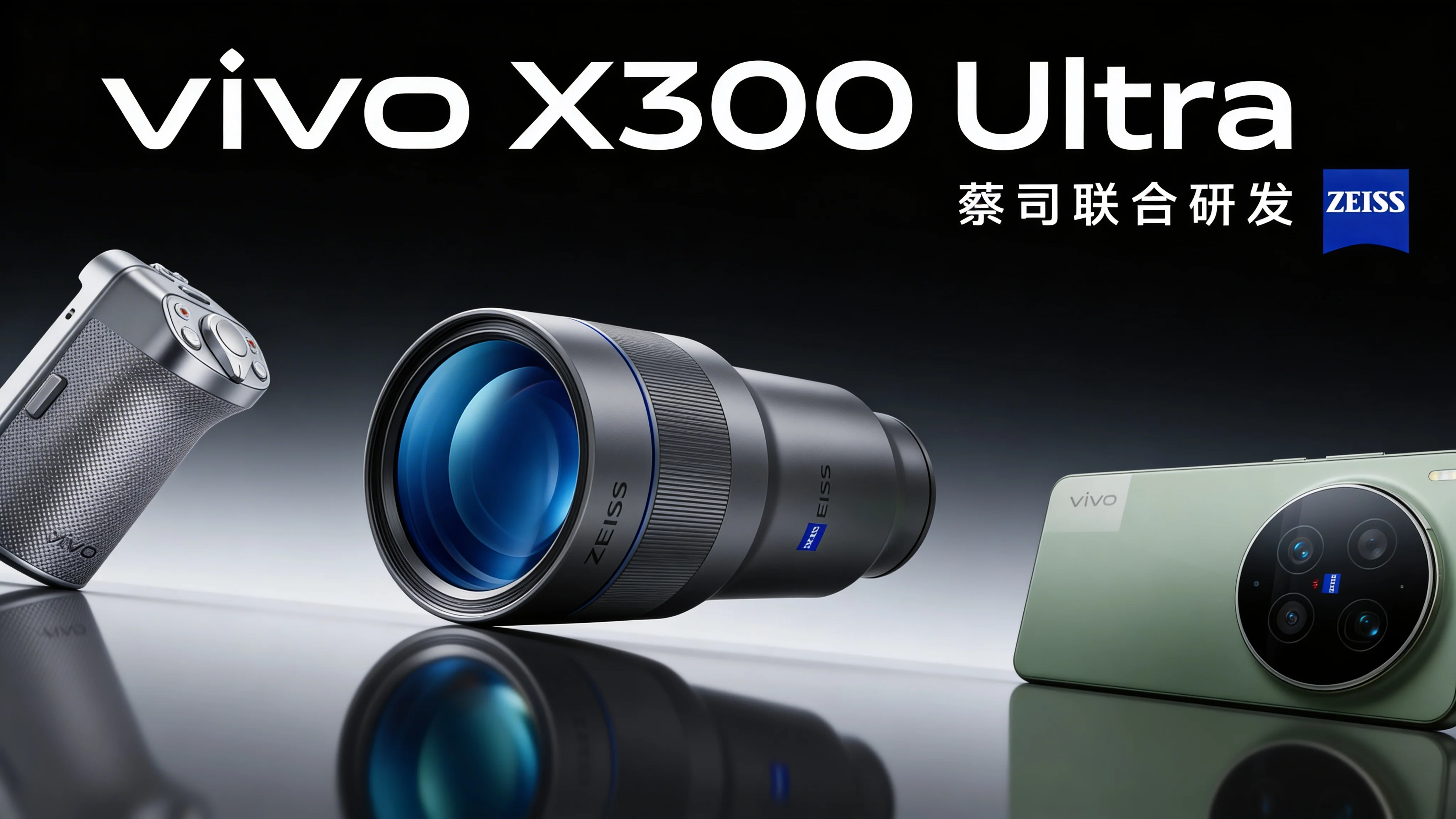 A press render of the Vivo X300 Ultra displaying the rear camera array.
The headline feature is the Zeiss Telephoto Kit, which includes a 400mm teleconverter lens. This is a "genuine optical zoom" solution rather than the digital crop often found in competitors. For a wildlife or sports photographer, this is a game-changer. However, the tradeoff is convenience. Using an external lens attachment requires carrying extra gear, which might alienate casual users who just want a quick snap. Furthermore, a camera bump housing a 200MP periscope sensor will inevitably add bulk to the device.
Comparison to Predecessor:
Compared to the X200 Ultra, the X300 Ultra moves from a capable zoom shooter to a modular imaging system. The shift to a 200MP periscope sensor (up from typical 50MP or 64MP telephotos) suggests Vivo is chasing detail resolution above all else.
Who is this phone for?
This device is exclusively for photography enthusiasts, content creators, and early adopters who are willing to pay a premium for the best zoom capabilities on the market. Casual users might find its sheer power overkill.
Vivo X300s
Launching alongside the Ultra, the Vivo X300s offers a more traditional flagship experience. It strips away the complex external lens mount in favor of a flat-screen design and a focus on raw endurance, making it a more practical choice for the everyday power user.
The X300s is a fascinating case study in prioritization. By opting for the MediaTek Dimensity 9500, Vivo is signaling that this phone is about efficiency and AI processing rather than raw gaming benchmarks (though the performance will still be top-tier). The headline here is the 7100mAh battery. That is a laptop-sized cell in a phone chassis. The tradeoff, naturally, is weight. A phone this powerful with a battery this large will be heavy, potentially tiring to hold for long reading sessions.
Who is this phone for?
It is perfect for the "digital nomad" or heavy commuter who values battery life above all else but still wants a premium screen and flagship performance without the Ultra's camera complexity.
 The Vivo X300s shown in a neutral color, highlighting its flat display edges.
OPPO K15 Pro Series
The OPPO K15 Pro series, launching in China on April 1, is targeting a specific pain point for mobile gamers: thermal throttling. By integrating an active cooling fan, OPPO is challenging the notion that smartphones must rely solely on passive cooling.
An active cooling fan in a phone is a rare and aggressive design choice. It promises sustained performance during marathon gaming sessions, preventing the frame rate drops common in other flagship phones after 20 minutes of play. However, this introduces a moving part, which historically can be a point of failure over a phone's 3-4 year lifespan. There is also the question of dust ingress and noise.
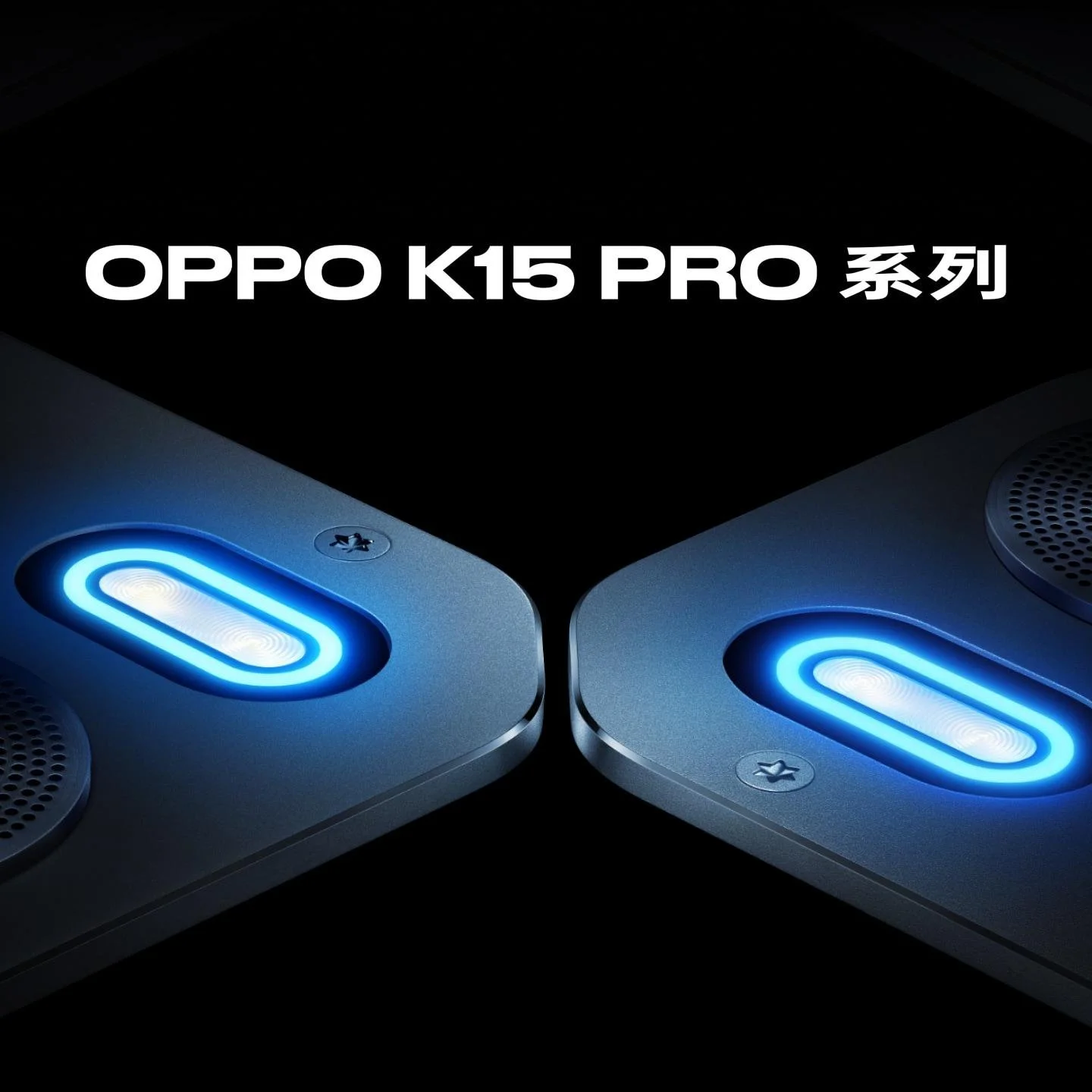 A promotional shot focusing on the rear design and venting system.
Who is this phone for?
This is a dream phone for hardcore mobile gamers (Genshin Impact, Call of Duty Mobile players) who hate performance dips. It's also suitable for power users who run intensive applications and want guaranteed stability.
Vivo V70 FE
The Vivo V70 FE, launching in India on April 2, brings a key flagship feature—the 200MP camera—down to a more accessible price point. It embodies the "Fan Edition" philosophy: taking premium tech and refining it for the mid-range market.
Vivo is betting big on battery and durability here. The 7000mAh battery is almost unheard of in this price segment, usually reserved for rugged phones. This makes the V70 FE a practical workhorse. The tradeoff for such a large battery and a 200MP sensor in a mid-range body is likely the processor. While the Dimensity 7360-Turbo is competent, it is not a flagship chip.
Who is this phone for?
This is the ideal phone for students, gig-workers, or anyone who needs a reliable device that can easily last through two days of use without hunting for a charger. It's a practical choice over a flashy one.
Realme 16 5G
Also launching on April 2, the Realme 16 5G addresses a simple but universal problem: taking group selfies with the superior rear camera. Its unique "selfie mirror" is a low-tech solution to a high-tech problem.
 The Realme 16 5G displayed to show the unique horizontal camera bar and integrated mirror.
In an era of punch-hole cameras and under-display sensors, Realme’s inclusion of a physical mirror on the rear camera bump is delightfully retro and practical. It solves the issue of blindly framing a group shot using the main camera. The tradeoff is that the Dimensity 6400 Turbo is a mid-range chip. While fine for daily tasks and social media, it won't break any speed records.
Who is this phone for?
This phone is tailor-made for social media users, families, and friend groups who love taking photos together. If your camera roll is full of group shots, this is the device for you.
Redmi Note 15 SE
Rounding out the launches on April 2 is the Redmi Note 15 SE. It targets the entry-level market but attempts to bring a "premium" feel through design elements like a vegan leather back.
The "SE" or "Special Edition" tag is often code for "re-released older tech with a new look." This phone is expected to share core internals with the standard Note 15 but differentiate itself with style. The "Crimson Reserve" vegan leather finish is a smart move—it feels more expensive than it is and hides plastic build materials well. The tradeoff here is likely in the finer details: slower charging speeds or a lack of included charger in the box.
Who is this phone for?
This is a perfect first smartphone for a teenager or a secondary device for someone who values aesthetics. It’s for the budget-conscious buyer who refuses to compromise on how their phone looks and feels in the hand.
Conclusion: Which One Should You Buy?
After a week of heavy launches, the choice comes down to your primary need.
- For the Photographer: If you are serious about zoom and detail, the Vivo X300 Ultra is the clear winner, despite its likely high price. It’s a professional tool in your pocket.
- For the Gamer: The OPPO K15 Pro series is the only logical choice. The active cooling fan and massive 8000mAh battery address the two biggest issues in mobile gaming: heat and battery drain.
- For the Practical User: If you just want a phone that lasts days and takes great photos without costing a fortune, the Vivo V70 FE or Vivo X300s are excellent picks.
- For the Social Butterfly: The Realme 16 5G is your best bet. Its clever selfie mirror solves a real problem for group photos, and its design is sure to turn heads.
Next week's lineup proves that the smartphone market is more innovative than ever, focusing on solving specific user problems rather than just bumping up numbers on a spec sheet.