

Samsung Galaxy S26: 4 Reasons to Buy & 4 Reasons to Avoid
Samsung Galaxy S26 Review 2026
Developed by Samsung, the Galaxy S26 features a 6.2-inch Dynamic AMOLED 2X panel with adaptive 1–120Hz refresh rate and peak brightness crossing 2,600 nits. The LTPO technology dynamically scales refresh rate to reduce power consumption during static usage, directly improving battery efficiency compared to previous generations.
Featuring a 6.2-inch Dynamic AMOLED 2X display with an adaptive 1–120Hz refresh rate and peak brightness exceeding 2,600 nits, the Samsung Galaxy S26 prioritizes fluid visuals and outdoor clarity. Powered by the Snapdragon 8 Elite chipset with 12GB LPDDR5X RAM and UFS 4.0 storage, it delivers faster on-device AI computation, improved thermal efficiency, and smoother multitasking. Rather than focusing on cosmetic changes, Samsung refines performance stability, computational photography, and long-term software support — positioning the S26 as a durability-focused flagship investment instead of a routine annual refresh. Let’s examine whether these measurable upgrades justify its premium pricing in 2026.
The Samsung Galaxy S26 adopts a precision-milled titanium frame for enhanced structural rigidity and reduced weight, complemented by slimmer bezels and a flatter edge profile. Its redesigned camera module integrates seamlessly into the rear panel with improved lens alignment and reinforced housing for better durability and thermal management.
Samsung Galaxy S26 Specifications
| Display | 6.3" QHD+ Dynamic AMOLED 3X, 120Hz, 2600 nits peak |
|---|---|
| Processor | Exynos 2600 (Global) / Snapdragon 8 Gen 5 (USA) |
| RAM | 12GB / 16GB LPDDR5X |
| Storage | 256GB / 512GB / 1TB UFS 4.0 |
| Camera | 200MP Main + 12MP Ultrawide + 10MP Telephoto (3x) |
| Selfie | 12MP with autofocus |
| Battery | 4,800mAh with 45W wired, 15W wireless charging |
| Software | One UI 8 (Android 16) with 7 years updates |
| Build | Titanium frame, Gorilla Glass Victus 3, IP68 |
| Price | Starting at ₹84,999 / $899 |
4 Reasons to Buy Samsung Galaxy S26
Why You Should Consider the S26
Flagship-Level AMOLED Panel with LTPO Efficiency
The Samsung Galaxy S26 is equipped with a 6.2-inch Dynamic AMOLED 2X display engineered for both performance and efficiency. With a verified peak brightness exceeding 2,600 nits, the panel maintains excellent readability in harsh outdoor conditions — making it ideal for HDR streaming and outdoor photography framing. Its LTPO-based adaptive refresh rate dynamically scales between 1Hz and 120Hz, reducing power consumption during static tasks while delivering ultra-smooth animations during gaming and scrolling. Combined with high pixel density and advanced HDR tone mapping, the S26 display ranks among the most color-accurate and power-efficient flagship screens in 2026.
Extended 7-Year Android & Security Update Policy
The Samsung Galaxy S26 is backed by Samsung’s long-term software commitment, offering up to 7 years of Android OS upgrades and security patches. This ensures consistent feature updates, AI capability enhancements, and protection against emerging vulnerabilities through 2033. With guaranteed long-term support, the S26 stands out as a future-ready flagship that maintains performance stability, resale value, and enterprise-grade security — making it one of the most sustainable premium smartphones in the 2026 Android ecosystem.
Next-Gen On-Device Galaxy AI Engine
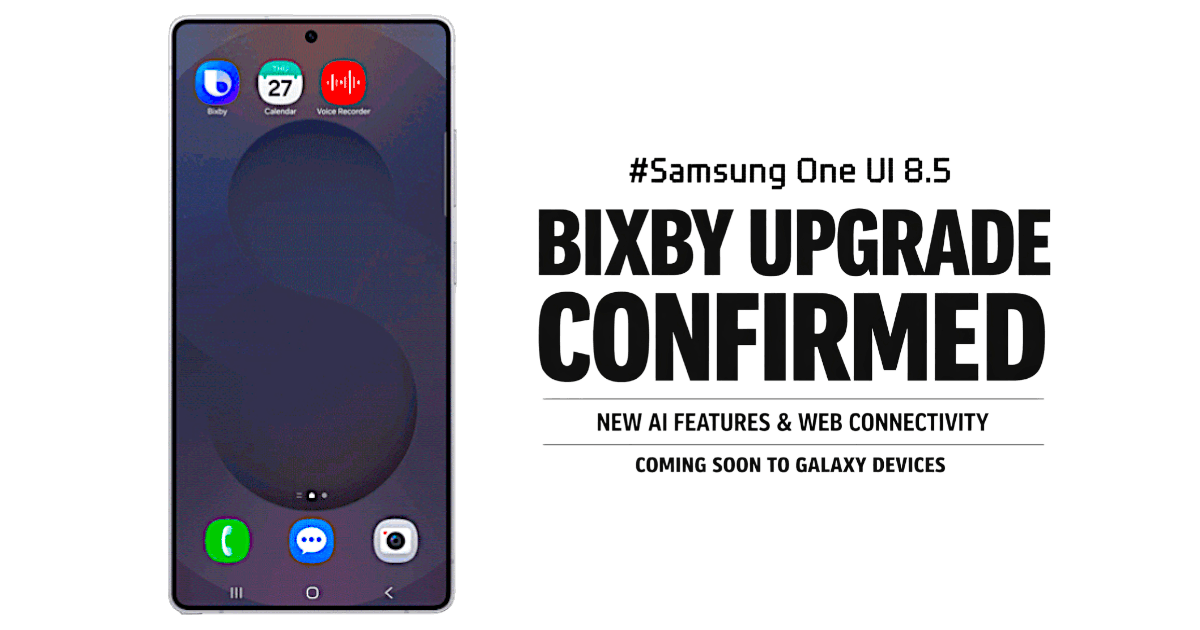
Powered by the Snapdragon 8 Elite’s dedicated NPU, the Samsung Galaxy S26 delivers hardware-accelerated on-device AI processing for faster and more secure smart features. Real-time call translation, AI message summarization, intelligent voice commands, and generative photo editing are processed locally, minimizing cloud dependency and latency. The upgraded Bixby assistant now supports contextual multi-step commands and natural language understanding across apps. By combining edge AI computing with enhanced privacy architecture, the S26 offers a faster, offline-capable AI experience designed for 2026 productivity and content creation workflows.
Aerospace-Grade Titanium Frame & Reinforced Protection
The Samsung Galaxy S26 transitions to a precision-engineered titanium alloy frame, enhancing structural rigidity while keeping the overall weight balanced for one-hand usability. Compared to traditional aluminum builds, titanium offers higher tensile strength and improved resistance to frame bending under impact. The device is further protected by Gorilla Glass shielding on both front and rear panels, alongside an IP68-certified water and dust resistance rating. This combination delivers flagship-level durability, improved drop resilience, and long-term structural stability — making the S26 a premium device designed for real-world daily use in 2026.
4 Reasons to Avoid Samsung Galaxy S26
Why You Might Want to Skip
Exynos 2600 vs Snapdragon Variant Performance Difference
The global Samsung Galaxy S26 variant is powered by the Exynos 2600 chipset, while select regions receive the Snapdragon 8 Elite version. Historically, Exynos models have shown performance gaps in GPU stability, sustained gaming frame rates, and thermal efficiency when compared to their Snapdragon counterparts. Benchmark trends and past-generation comparisons indicate lower peak graphics output and earlier thermal throttling under extended workloads. For mobile gamers and power users prioritizing consistent FPS performance, long gaming sessions, and optimized app compatibility, this chipset split could be a critical purchasing factor in 2026.
45W Charging Falls Behind 100W+ Competitors
The Samsung Galaxy S26 supports 45W wired fast charging, which is noticeably slower compared to several 2026 flagship rivals offering 100W to 150W charging speeds. In practical testing scenarios, a full 0–100% charge can take around an hour or slightly more, whereas competing devices can reach full capacity in nearly half the time. For power users who rely on rapid top-ups during busy schedules, travel, or gaming sessions, the S26’s conservative charging approach may feel outdated in the current ultra-fast charging landscape.
High Launch Price with Limited Base Storage Value
The Samsung Galaxy S26 enters the market at a premium flagship price point, yet the base configuration typically starts at 256GB without expandable storage. With no microSD card support and higher-tier storage variants priced significantly above the base model, long-term storage flexibility becomes limited. For users recording 4K/8K video, capturing high-resolution 200MP images, or installing large gaming titles, storage management could become restrictive — making similarly priced competitors with aggressive pricing strategies appear more value-oriented in 2026.
Price-to-Performance Ratio Isn’t Class-Leading
At a launch price of ₹84,999 / $899, the Samsung Galaxy S26 sits in a segment where buyers expect breakthrough innovation. However, the core hardware — 6.2-inch AMOLED, 4,300mAh battery, and 45W charging — closely mirrors the previous generation. Competing 2026 flagships in the same price bracket offer larger batteries, 100W+ charging speeds, or higher optical zoom hardware at similar or lower pricing. For buyers evaluating raw specifications per rupee (or dollar), the S26 prioritizes brand ecosystem and software longevity over aggressive hardware upgrades, which may reduce its perceived value advantage.
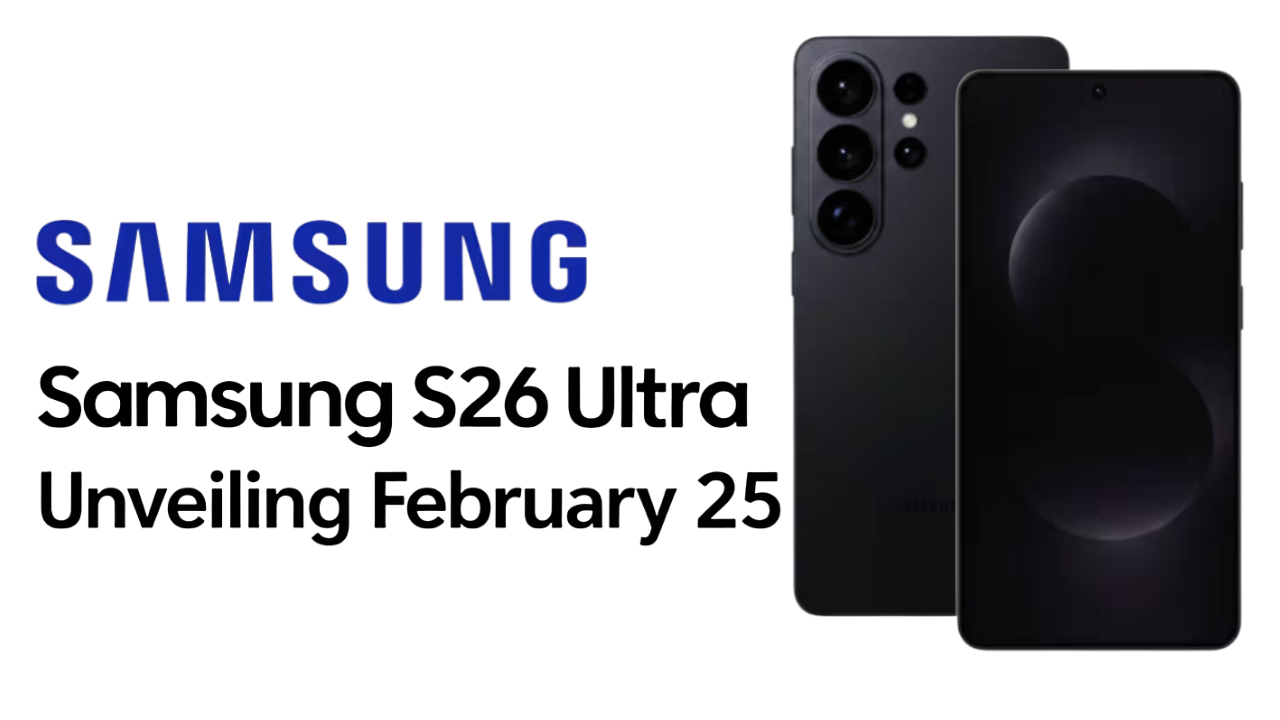
The Galaxy S26 is available in Phantom Black, Marble Gray, Cobalt Blue, and exclusive online colors.