WhatsApp SIM-Binding Rule Now Live in India: Active SIM Mandatory for Messaging Apps from March 1
The Government of India has officially enforced the new SIM-binding rule, directly impacting WhatsApp and several other messaging applications across the country. Under this regulation, users must keep the mobile number used for registration active and inserted in their primary device for the apps to function properly. The move comes as part of updated Telecom Cyber Security guidelines aimed at strengthening digital safety and preventing misuse of communication platforms.
With the rule now live, WhatsApp and similar apps may stop working if the registered SIM card is removed, deactivated, or swapped. Users accessing WhatsApp Web or desktop versions may also experience periodic logouts, requiring re-authentication from the main device with the active SIM. Authorities state that the measure is designed to reduce SIM-swap fraud, cybercrime activities, and anonymous account misuse in India.
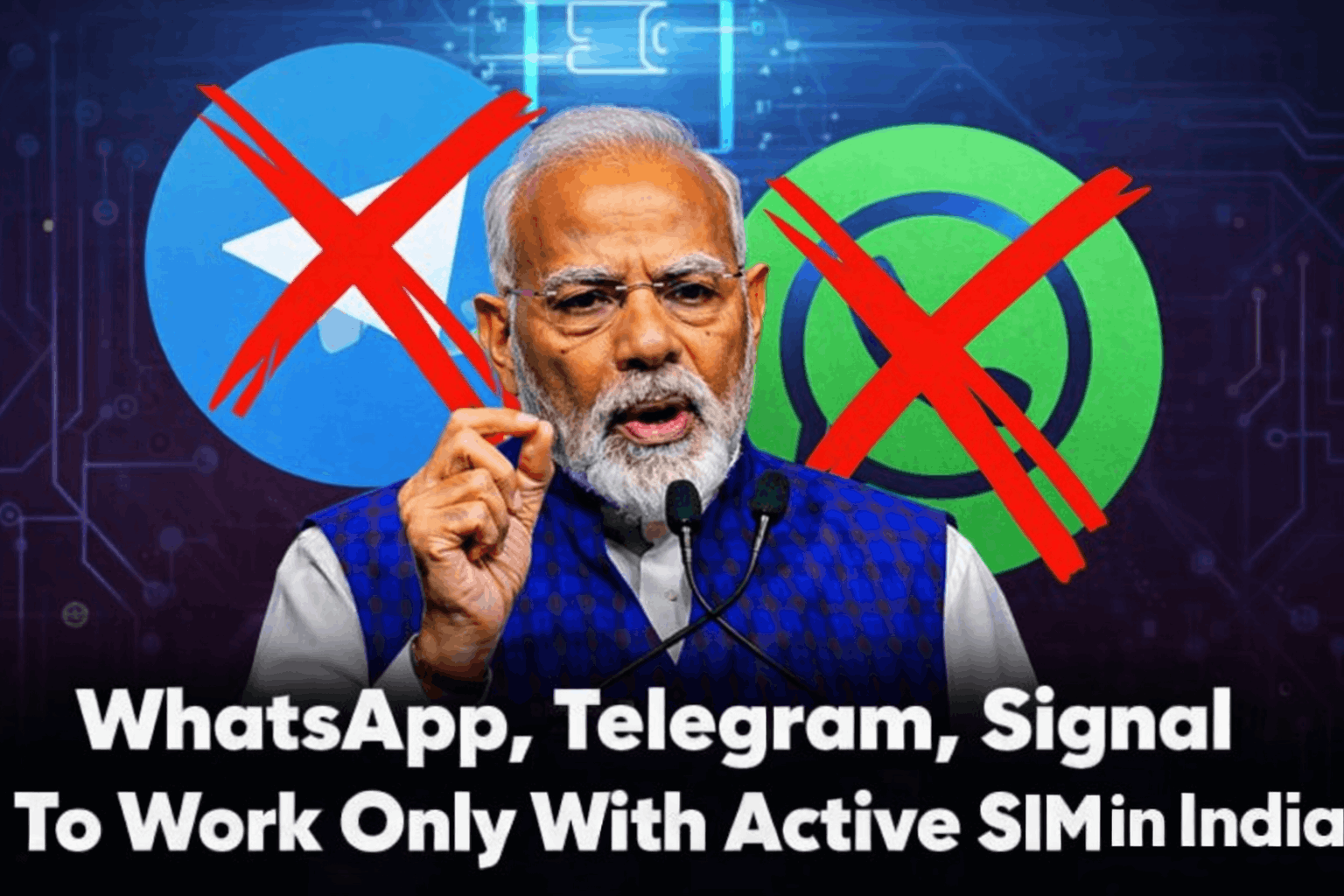
Under the newly enforced SIM-binding regulation in India, messaging platforms such as WhatsApp, Telegram and Signal must remain linked to the mobile number used during registration. This means the registered SIM card must stay active and physically inserted in the primary device for uninterrupted access to the service.
Previously, users could continue using WhatsApp even after removing the SIM card, as long as the number was verified once through OTP. However, with the new telecom security framework, the application may stop functioning if the SIM is removed, swapped, or deactivated. Users will be required to reinsert and verify the same SIM to regain access.
Another important change affects WhatsApp Web and desktop access. Linked device sessions may now automatically log out at regular intervals, requiring re-authentication from the primary smartphone with the active SIM present. This move is intended to reduce unauthorized remote access to messaging accounts.
According to telecom authorities, the SIM-binding rule has been introduced to curb rising cases of SIM-swap fraud, digital impersonation, and online financial scams. By ensuring that accounts remain tied to an active SIM, regulators aim to strengthen traceability and improve cybersecurity measures nationwide.

The regulation applies specifically to India-registered mobile numbers and falls under updated Telecom Cyber Security guidelines. While the move may cause inconvenience for users who rely on multi-device access, officials believe the long-term benefits in preventing fraud outweigh the short-term adjustments.
As enforcement begins nationwide, users are advised to ensure their registered SIM card remains active and properly inserted in their primary smartphone. Any changes to the SIM status may temporarily restrict access to WhatsApp and other messaging platforms until re-verification is completed.